Bekool presents Khaaron
2026.05.05 - Balatonica
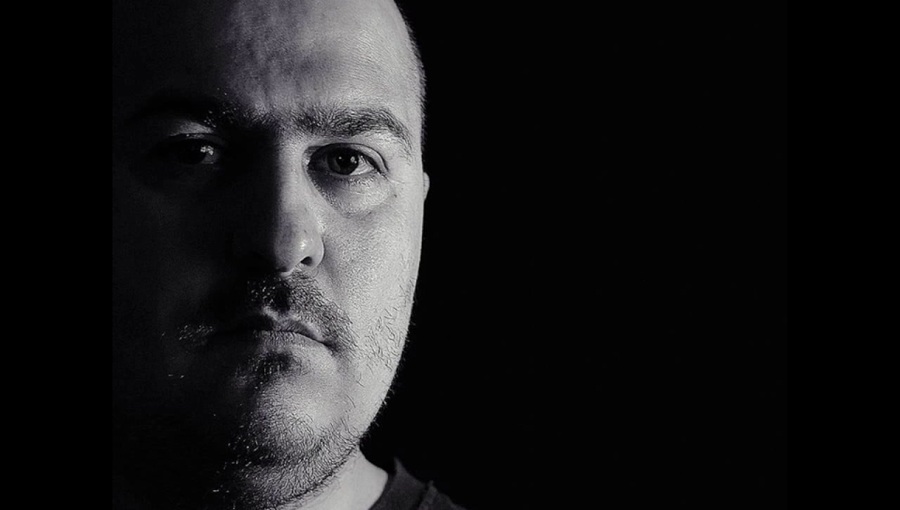
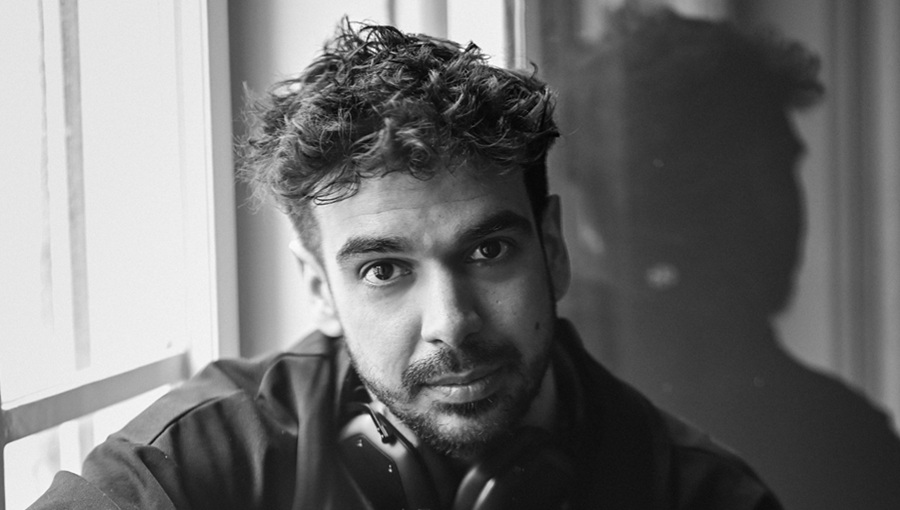
Hungary’s electronic music scene has long been full of hidden architects: artists who shape sounds behind the scenes, often under different aliases, quietly influencing dancefloors far beyond their home country. Our next guest, Khaaron, is one of them.
Born Reisz Róbert, he has built a multifaceted career through a range of projects and identities. Many listeners may already know his work under the name Robert R. Hardy, a project that has earned international recognition and support from some of the scene’s biggest names. But that’s only one layer of a much broader creative output. He has also released music as D.M.P, rBert, and The Triky Band, each reflecting a different facet of his musical thinking.
Több néven is alkotsz. Mit jelent számodra ez a sokfelé osztott identitás? Hangzásban, koncepcióban mennyire különülnek el ezek a projektek?
Minden zenét, amit elkészítek, ahhoz a névhez illesztek, amelyikhez hangulatban a leginkább passzol. Ha deep house (classic) jellegű, akkor általában D.M.P, ha erősebb és progressive, akkor Hardy. A Khaaron inkább egy organikus, deep keverék, egy „krémesebb” hangzással. Az rBert pedig inkább a keleties, organic, ethno hangzást képviseli. De vannak még alteregóim is, amelyek kevésbé ismertek, például VSLY, Sapienta vagy a legújabb The Triky Band.
A Khaaron alias milyen új színt hoz az eddigiek mellé?
Khaaront egész egyszerűen a legfinomabbnak tartom, lágy és organikus hangzásával, akit olyan nagy előadók éltetnek, mint Makebo vagy Volen Sentir.
Több nemzetközi kiadónál is megjelentek zenéid, és több track felkerült a toplistákra. Mi volt az a pont, ami az áttörést hozta? És hogyan profitáltál ebből?
Szerintem áttörést soha semmi nem hozott. Legalábbis én soha nem éreztem így. Korábban próbáltam nagy kiadóknak zenéket küldeni, kevés sikerrel, így ez ma már nem motivál. Ha egy zene jó, bárhol is jelenik meg, utat tör magának... persze nem mindig. A legnagyobb név, és egyben a legnagyobb csalódás egy remixverseny volt, ahol engem is díjaztak, és megjelent a Mexico Can Wait (Robert R. Hardy Remix)... ugye tudjuk, melyik kiadónál (GU).
Producerként más DJ-k, igazi nagy nevek is játsszák a zenéidet. Mekkora beleszólásod van abba, hogy kik veszik át a zenéidet? Miben érződik az ő támogatásuk?
Leginkább abban, hogy lejátsszák a zenéimet. Szerintem ma sok DJ már nem úgy keres és válogat zenéket, mint a szakma fénykorában. Inkább megnézik, hogy mások mit játszanak, és ha tetszik nekik, ők is beemelik. Persze sokan figyelik a tracklisteket.
Az underground elektronikus világban (pl. progressive house) folyamatosan változik a hangzás. Érzésed szerint épp milyen irány felé halad?
Őszinte leszek, nekem most nem feltétlenül jó az irány, mert ilyen progikat nem nagyon tudok írni. De egyébként szerintem nem rossz. Most sok trance-es elem van jelen, ami viszi a hangzást. Erős mély alapok, nagy szünetek, amiket a kiállásoknál maximumra húznak (akár már a mainstreamben is), aztán jön a DURR. Röviden ennyi, szerintem.
Ha valaki most találkozik először a zenéddel, melyikkel kezdje? Mit mutatnál meg legszívesebben?
ermészetesen a legfrissebbet. De nem tudom... lehet, hogy valakinek jobban tetszik az, amit tíz éve csináltam. A világ változik, ahogy a zene is, és ahogy mi is. Minden az érzelmektől függ. Én sem csak elektronikus zenét hallgatok. :)
You produce music under several names (Robert R. Hardy, D.M.P, rBert, etc.). What does this fragmented identity mean to you? How distinct are these projects in terms of sound and concept?
Every track I make gets matched to the name that best fits its vibe. If it’s more deep house (classic), it usually goes under D.M.P; if it’s stronger and more progressive, then it’s Hardy. Khaaron is more of an organic, deep blend with a smoother, “creamier” sound. rBert leans more toward eastern, organic, ethno influences. I also have other alter egos that are less known, like VSLY, Sapienta, or the newest one, The Triky Band.
What new color does the Khaaron alias bring to your work?
I’d describe Khaaron as my most refined identity, with a soft and organic sound. Artists like Makebo and Volen Sentir have supported my tracks released under this name.
Your music has been released on several international labels, and some tracks have made it onto charts. What was the breakthrough moment for you, and how did you benefit from it?
Honestly, I don’t think there was ever a real breakthrough – at least I never felt one. Earlier, I tried sending music to big labels with limited success, so that’s not really what motivates me anymore. If a track is good, it will find its way, no matter where it’s released – though not always. The biggest name, and at the same time the biggest disappointment, was a remix contest where I was among the winners, and Mexico Can Wait (Robert R. Hardy Remix) got released –you know which label (GU).
As a producer, your tracks are played by other DJs, including big names. How much control do you have over who plays your music? And how does their support show?
Mostly in the fact that they actually play my tracks. I think nowadays many DJs don’t dig for music the way they used to in the golden era. Instead, they check what others are playing and, if they like it, they play it too. Of course, many people follow tracklists.
The underground electronic scene (like progressive house) is constantly evolving. In your view, what direction is it heading in right now?
To be honest, not necessarily in a direction that suits me, because I don’t really write that kind of progressive anymore. But overall, I don’t think it’s bad. There are a lot of trance elements coming in right now. Strong low-end foundations, big breakdowns that get pushed to the max – even in more mainstream contexts – and then the drop hits. That’s pretty much it in short.
If someone is discovering your music for the first time, where should they start? What would you most like to show them?
The latest release, of course. But honestly, I don’t know – someone might prefer what I made ten years ago. The world changes, music changes, and so do we. It all depends on emotions. I don’t only listen to electronic music either. :)
Sounds of Bekool featuring Nicolas Soria